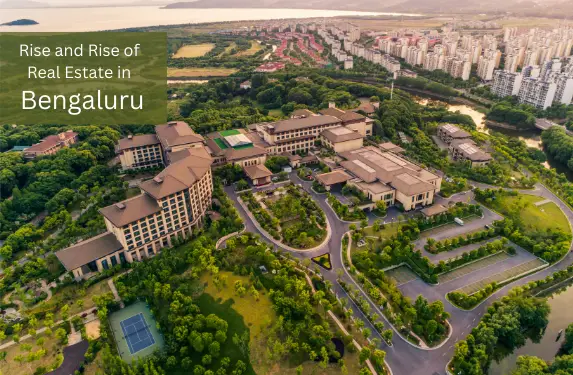
The real estate sector has always been a cornerstone of economic growth. However, in recent years, the industry has undergone a significant transformation. No longer driven solely by location and demand, modern real estate is increasingly shaped by data, infrastructure, and long-term value creation.
For investors, developers, and enterprises alike, the focus is shifting from short-term gains to strategic, sustainable development.
A Changing Market Landscape
Urban expansion, evolving buyer preferences, and technological integration are redefining how real estate functions. Today’s market is influenced by:
- Rapid urbanization and infrastructure growth
- Increased demand for mixed-use developments
- A growing preference for sustainable and smart buildings
- Digital platforms simplifying property discovery and transactions
This shift signals a move away from speculative investment toward informed, research-backed decision-making.
The Rise of Strategic Locations
Location remains critical—but its definition has evolved.
Modern real estate success is no longer limited to central business districts. Emerging corridors, supported by infrastructure projects such as highways, metro connectivity, and business hubs, are becoming high-potential zones.
These areas offer:
- Higher appreciation potential
- Lower entry costs
- Long-term growth opportunities
Investors who identify these micro-markets early are better positioned to maximize returns.
Sustainability is No Longer Optional
Sustainability has moved from being a trend to a necessity.
Developments that incorporate:
- Energy-efficient designs
- Green building materials
- Water conservation systems
- Smart energy management
are not only environmentally responsible but also economically advantageous. Buyers and tenants increasingly prefer properties that reduce long-term operational costs and environmental impact.
Technology as a Game Changer
Technology is reshaping every stage of the real estate lifecycle.
From virtual property tours to AI-driven pricing models, digital tools are enabling:
- Better transparency in transactions
- Faster decision-making
- Enhanced customer experiences
- Improved project management for developers
Enterprises that leverage technology effectively gain a significant competitive edge.
The Shift Toward End-User Value
One of the most important transformations in real estate is the shift from investor-driven markets to end-user-focused development.
Today’s buyers are more informed and selective. They look beyond price and consider:
- Quality of construction
- Amenities and lifestyle offerings
- Connectivity and accessibility
- Long-term livability
This change is pushing developers to prioritize value creation over volume.
Opportunities for Forward-Thinking Enterprises
For companies operating in real estate, this evolving landscape presents immense opportunity.
Success will depend on the ability to:
- Identify emerging growth corridors
- Integrate sustainability into core design
- Adopt technology-driven processes
- Deliver consistent quality and transparency
Enterprises that align with these principles will not only remain competitive but also build lasting trust in the market.
Real estate is no longer just about buying and selling property—it is about building ecosystems that support modern living and future growth.
As the industry continues to evolve, the winners will be those who combine vision, diligence, and strategic execution. For enterprises committed to excellence, this is not just a shift—it is an opportunity to lead.
The future of real estate belongs to those who build with purpose.